Is your living room starting to look more like a warehouse than a home? Are you spending your days buried in packing tape and shipping labels instead of focusing on what you do best-growing your business? If you’re nodding along, you’ve likely hit the ceiling of what you can manage alone. It’s a common growing pain for successful eCommerce brands, and the solution is simpler than you think: outsourced warehousing Australia.
Making the switch from a home-based operation to a professional fulfilment partner is the single most powerful step you can take to scale. It’s how you eliminate packing errors, access cheaper and faster shipping rates, and finally reclaim the time you need to focus on marketing, product development, and strategy. What seems like a complex challenge is actually your key to unlocking effortless growth.
In this ultimate guide, we make it simple. We’ll show you exactly when and how to make the switch. Discover the clear signs it’s time to outsource and learn how to choose a partner that will help you cut costs, save time, and create a seamless delivery experience for your customers. It’s time to get your space back and focus on scaling your brand.
What is Outsourced Warehousing? (And Why It’s Not Just Storage)
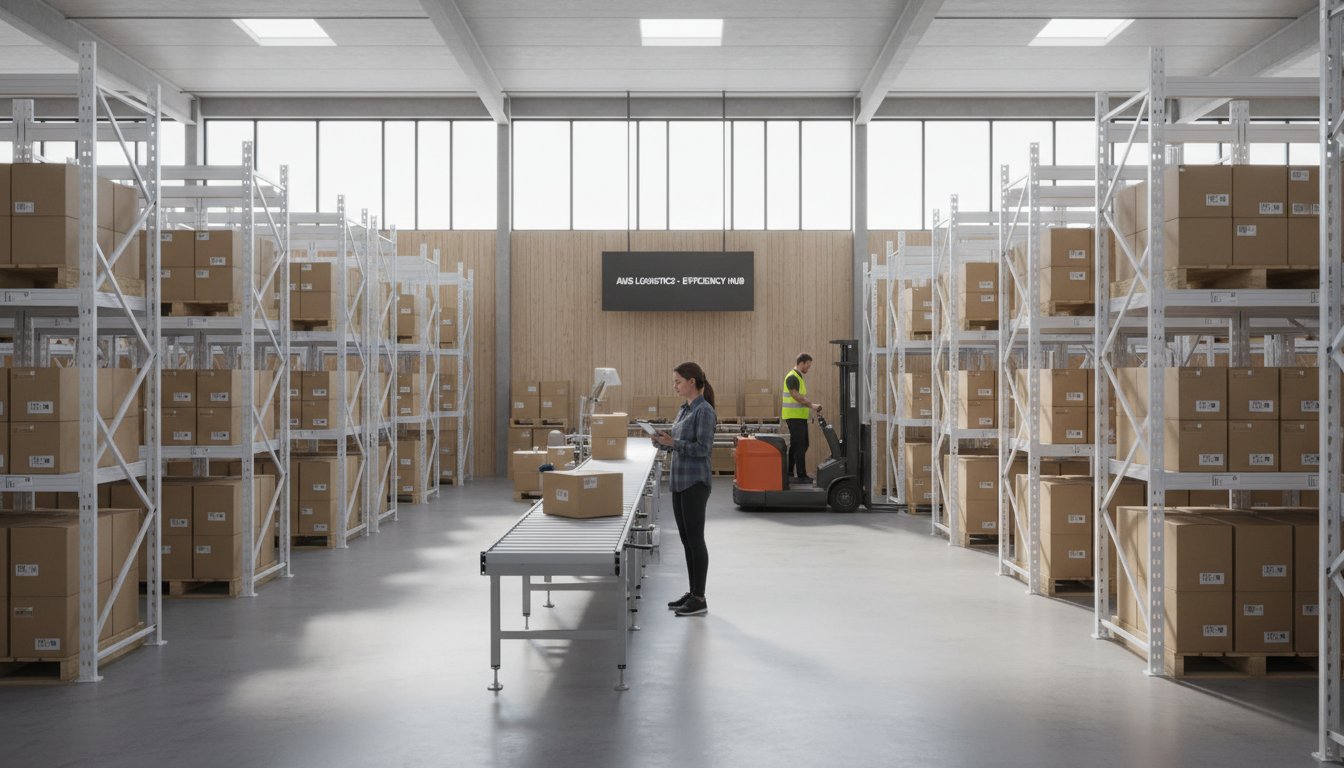
At its core, outsourced warehousing is about handing over the entire physical side of your eCommerce logistics to a specialist partner. Think of it as your dedicated operations team, but without the headache of managing staff, leases, or equipment. This isn’t just about renting a shelf in a shed; it’s a dynamic, active service designed to power your business growth and deliver an exceptional experience to your customers.
The key difference lies in the service. A self-storage unit is passive-you put your stock in, and it sits there. An outsourced warehouse is an active hub. In the logistics industry, the company providing this service is known as a Third-party logistics (3PL) provider. Their entire purpose is to manage your inventory and fulfil your orders, freeing you up to focus on marketing, product development, and customer service. For growing brands, this model of outsourced warehousing Australia offers a simple, scalable path to success.
The Four Pillars of an Outsourced Warehouse
A professional 3PL service is built on four key pillars that work together to ensure your operations run like clockwork:
- Inbound Logistics: This is the first step. Your stock arrives from your suppliers, and the warehouse team receives it, checks it for accuracy and damage, and books it into the system.
- Inventory Management: Your products are stored securely. More importantly, a sophisticated Warehouse Management System (WMS) tracks every single item in real-time, giving you complete visibility.
- Order Fulfilment: When a customer places an order, the system sends it to the warehouse. The team then accurately ‘picks’ the items and ‘packs’ them securely for shipping.
- Outbound Logistics: The final, crucial step. Packed orders are dispatched through a network of trusted couriers, ensuring fast and reliable delivery to your customer’s door.
Key Terminology You Need to Know
Getting familiar with a few key terms will make navigating the world of outsourced warehousing Australia much easier. Here are the essentials:
- 3PL (Third-Party Logistics): The company that provides these outsourced warehousing and fulfilment services. They are your logistics partner.
- WMS (Warehouse Management System): The software that acts as the brain of the operation. It tracks your inventory, manages orders, and gives you real-time visibility and control.
- Pick and Pack: The physical process where a team member selects (‘picks’) the items for an order and prepares (‘packs’) them in a box or satchel for shipping.
- SKU (Stock Keeping Unit): A unique code assigned to each product variation. For example, a red t-shirt in size medium has a different SKU than the same shirt in blue.
The Tipping Point: 5 Signs You Need to Outsource Your Warehousing
Every successful eCommerce business in Australia reaches a crossroads. The very growth you’ve worked so hard for starts creating logistical headaches. You’re no longer just a store owner; you’re a full-time packer, shipper, and inventory manager. This isn’t a sign of failure-it’s the ultimate sign of success. Recognising this tipping point is crucial for scaling up. It’s a strategic move towards building a more robust and efficient business, a key theme in a recent Australian Government supply chain report on strengthening local operations.
Many business owners worry they’re “too small” to outsource. The reality is, partnering with a 3PL is a strategy for growth, not a luxury for large corporations. If any of the following signs feel familiar, it’s time to consider how outsourced warehousing Australia can free you up to focus on what you do best.
Sign #1: You’re Drowning in Orders
Your sales notifications are exciting, but they also bring a sense of dread. Your day is consumed by a mountain of boxes, tape, and labels, leaving no time for marketing, product development, or customer service. This operational overload is a classic sign you need support.
- You spend more time packing than you do on activities that actually grow your business.
- Order accuracy is dropping. Manual errors like sending the wrong size or colour increase, leading to costly returns and unhappy customers.
- You can’t meet dispatch promises. The promise of “next-day dispatch” becomes impossible to keep, damaging your brand’s reputation.
Sign #2: You’ve Run Out of Space
The spare room is now a mini-warehouse, the garage is impassable, and your living room is a dispatch zone. When your inventory physically takes over your home or current small storage unit, it’s a clear signal that your business has outgrown its shell. This isn’t just an inconvenience; it’s a barrier to efficiency.
- Disorganised stock makes finding items a nightmare, slowing down the entire fulfilment process.
- You’re considering leasing a warehouse, but haven’t factored in the hidden costs: bond, rent, utilities, insurance, security, and staff wages.
Sign #3: Your Shipping Costs are Too High
In today’s market, customers expect fast and affordable shipping. If you’re walking into the local Australia Post office and paying standard retail rates for every parcel, your margins are shrinking and you’re losing a competitive edge. High shipping fees are one of the biggest drivers of cart abandonment.
- You can’t compete with larger retailers offering A$5 flat-rate or free shipping.
- A 3PL partner negotiates bulk rates with major couriers, giving you access to significant shipping discounts you could never secure alone.
The Major Benefits of Outsourced Warehousing for Australian Brands
When considering outsourced warehousing in Australia, many brands focus on the monthly invoice. But the real question isn’t “What does it cost?”-it’s “What is the return on investment?”. Shifting your fulfilment to a third-party logistics (3PL) partner isn’t an expense; it’s a strategic investment that pays dividends in cost savings, customer satisfaction, and scalable growth.
Reduce Operational Costs and Overheads
The most immediate benefit is converting your fixed operational costs into a single, variable expense. Instead of being locked into long-term leases and staff salaries, you only pay for the space and services you actually use. This isn’t just theory; a comprehensive Australian 3PL outsourcing study found that significant cost reduction and avoiding capital investment are the primary drivers for businesses making the switch. You eliminate:
- Property Costs: Say goodbye to warehouse rent, utilities, council rates, and insurance in expensive metro areas like Sydney or Melbourne.
- Staffing Costs: Forget the endless cycle of hiring, training, and managing warehouse staff, along with superannuation and WorkCover expenses.
- Shipping Costs: Leverage the 3PL’s bulk shipping contracts with carriers like Australia Post for rates you could never get on your own.
- Wasted Spend: A pay-as-you-go model means you aren’t paying for empty shelf space during your quiet months.
Increase Efficiency and Customer Satisfaction
An expert 3PL runs on efficiency. They use advanced Warehouse Management Systems (WMS) and streamlined processes to pick, pack, and ship orders faster and more accurately than an in-house team ever could. For your business, this means fewer packing errors, which leads to fewer costly returns and a much happier customer base. It also unlocks faster delivery times across the country. Imagine a customer in Perth receiving their order in days, not a week, because your 3PL partner has a national network.
Enable Business Growth and Scalability
Stop letting logistics be the bottleneck to your growth. With a 3PL partner, you can handle massive seasonal peaks like Black Friday without the stress of hiring temporary staff or running out of space. Scaling your order volume from 100 to 10,000 a month is seamless. This frees up your two most valuable assets: your time and your capital. Instead of packing boxes or managing staff, you can focus on marketing, product development, and strategy-the things that actually grow your business.
Ready to scale without the headache? See how Pik Pak makes it easy.
How to Choose the Right Warehousing Partner in Australia
Selecting the right 3PL provider is one of the most critical decisions you’ll make for your eCommerce business. Get it right, and you unlock seamless scalability. Get it wrong, and you’re left with logistical headaches and unhappy customers. The key is to ask the right questions. This practical checklist will help you evaluate providers for outsourced warehousing Australia wide, ensuring you find a partner built for your growth.
Technology and Integrations
Your 3PL’s technology is your technology. It must be robust, reliable, and easy to use. The goal is automation, not more manual work. Ask potential partners:
- Platform Compatibility: Do you offer simple, one-click integrations with major eCommerce platforms like Shopify, WooCommerce, and BigCommerce?
- Real-Time Visibility: Does your Warehouse Management System (WMS) provide a live, 24/7 view of my inventory levels, order status, and tracking information?
- Ease of Use: Is your software dashboard intuitive? Managing logistics shouldn’t be a complex chore; it should be simple and give you back your time.
Location and Shipping Network
In a country as vast as Australia, warehouse location directly impacts shipping costs and delivery speed. A strategic partner helps you reach your customers faster and more affordably.
Investigate their physical footprint. Are their facilities located near major population hubs like Sydney, Melbourne, or Brisbane? A well-placed warehouse means lower courier fees and quicker delivery times, which is a major competitive advantage. Also, ask which couriers they partner with to ensure reliable national coverage.
Pricing Model and Transparency
A confusing pricing structure is a major red flag. Your ideal partner for outsourced warehousing Australia will offer a clear, transparent model without nasty surprises. Insist on a full cost breakdown, including:
- Receiving: Fees for inbound stock.
- Storage: Costs per pallet, shelf, or bin.
- Pick & Pack: A per-item or per-order fee.
- Shipping: Their negotiated courier rates.
Look for a flexible, pay-as-you-go model that scales with your business, and be wary of any provider pushing long-term lock-in contracts or hiding fees in the fine print.
Specialisation and Support
Not all 3PLs are created equal. A provider that handles bulk industrial freight won’t understand the specific needs of an eCommerce brand. You need a specialist who gets it. Can they handle product kitting, subscription boxes, or special branded packaging? Most importantly, what does their customer support look like? When an urgent issue arises, you need a dedicated Australian-based support team you can actually speak to. The right partner acts as an extension of your team, making your fulfilment simple and stress-free so you can focus on what you do best: growing your brand.
The Onboarding Process: What to Expect When You Get Started
Making the move to outsourced warehousing Australia can feel like a huge step, but it doesn’t have to be a headache. A professional 3PL partner is dedicated to making the transition smooth, simple, and stress-free. At Pik Pak, we’ve refined our onboarding into a clear, three-step process designed to get you up and running quickly, so you can get back to focusing on your business. Here’s how we make it easy.
Step 1: Consultation and System Integration
It all starts with a conversation. We take the time to understand your business, your products, and your specific fulfilment needs. Once we have a clear plan, we connect your eCommerce store (like Shopify, WooCommerce, or Magento) to our advanced Warehouse Management System (WMS). Don’t worry, you don’t need to be a tech expert. Our system uses simple, pre-built integrations that point, click, and connect. We’ll then help you set up your products (SKUs) in our portal, ensuring everything is ready for your inventory’s arrival.
Step 2: Sending Your First Shipment
Next, you’ll prepare your inventory and send your first shipment to our fulfilment centre. As soon as your stock arrives, our expert team takes over. We carefully receive your goods, verify the counts against your shipment order, and check for any damage. Each item is then scanned and stored in a dedicated, secure location. Before we go live, you’ll see your exact inventory levels reflected in your online portal, giving you complete visibility and peace of mind.
Step 3: Going Live and Managing Orders
This is where the magic happens. We activate the integration, and your customer orders begin flowing automatically from your online store directly to our system for fulfilment. Our team picks, packs, and ships each order with speed and precision. You can monitor every order’s status, track inventory levels in real-time, and manage your operations from anywhere through our user-friendly portal. We even make returns simple, managing the entire process for you so you can maintain excellent customer service without the hassle.
Ready to reclaim your time and scale your business? Let’s make your switch seamless. Get a free quote today.
Stop Packing and Start Scaling Your eCommerce Brand
As your eCommerce brand grows, the tipping point where you spend more time managing logistics than marketing your products is inevitable. Making the switch to a third-party logistics (3PL) partner isn’t just about freeing up space; it’s a strategic move to improve efficiency, delight your customers with faster shipping, and reclaim your time. The right partner transforms your operations from a daily headache into a streamlined, automated engine for growth.
Choosing the right provider for outsourced warehousing australia is the most critical step. At Pik Pak, we make that transition simple. With seamless integration for Shopify and WooCommerce, flexible pay-as-you-go pricing with no lock-in contracts, and dedicated Australian-based support, we handle the hard work so you can get back to what you do best. It’s time to take the next step.
Stop packing boxes. Start growing your business. Get a free quote from Pik Pak.
Frequently Asked Questions About Outsourced Warehousing
How much does outsourced warehousing cost in Australia?
The cost of outsourced warehousing in Australia is typically broken down into simple, transparent fees. You can expect charges for receiving stock (approx. A$45-A$65 per hour), storage (A$30-A$45 per pallet per month), and order fulfilment (around A$3-A$5 for the first item). This pay-as-you-go model eliminates fixed overheads, making it easy to manage cash flow and scale your costs directly with sales. It’s a smart, flexible way to grow your business.
Is my business too small for a 3PL? What are the typical minimums?
Not at all. Many modern 3PLs are built specifically to help small and growing eCommerce businesses scale. While some providers have high minimums, many are flexible, with typical starting points around 50-100 orders per month. Others may have a small minimum monthly spend (e.g., A$300-A$500) to cover account management. The right partner makes professional logistics accessible, allowing you to get started and grow without a huge commitment.
Can I still use my own branded packaging with an outsourced warehouse?
Yes, absolutely. Maintaining your brand identity is crucial, and any good 3PL partner makes this easy. You simply ship your custom boxes, mailers, tissue paper, or marketing inserts to the warehouse. They will store these materials and use them exclusively for your orders as per your instructions. This ensures your customers receive a seamless, branded unboxing experience every time, just as if you packed it yourself.
How are customer returns handled by a 3PL partner?
A professional 3PL simplifies your entire returns process, often called reverse logistics. When a returned item arrives at the warehouse, it is inspected according to your predefined rules (e.g., check for damage, confirm original packaging). Based on its condition, the item is either restocked into your available inventory, quarantined for review, or disposed of. This entire process is tracked in the system, giving you full visibility and control without the operational headache.
How long does it take to get set up with an outsourced warehousing provider?
Getting set up is faster than you might think. The setup timeline with an outsourced warehousing Australia provider is designed for speed, often taking just one to two weeks. The main steps are integrating your eCommerce platform with the 3PL’s system-which is often a simple point-and-click process-and sending your initial stock. A great partner handles the technical side, making the transition seamless so you can start shipping orders without delay.
What happens if the warehouse loses or damages my stock?
A reliable 3PL partner takes full responsibility for your inventory while it’s in their care. Their Service Level Agreement (SLA) will clearly outline their liability policy. If your stock is lost or damaged due to a warehouse error, they will reimburse you for the wholesale cost of the goods. This ensures your assets are always secure and accounted for, giving you complete peace of mind that your business is protected.