Fast dispatch isn’t the same as fast delivery. The most useful questions to ask your new 3PL provider cover where stock is held, how returns are handled, how on-time shipping is measured, and whether orders can be processed the same day. Ask for clear service-level expectations so you can understand what happens between an order being placed and arriving with your customer.
Returns are a key consideration when customers need a straightforward way to send products back. But reverse logistics is only one part of reliable fulfilment: inventory visibility, order cut-off times and delivery options also shape the customer experience.
This checklist will help you assess those details before you commit. You’ll learn what to ask about facility locations, inventory visibility, returns processes, shipping performance and delivery speed, including same-day order processing. Clear answers make it easier to spot operational gaps, set expectations and choose a fulfilment arrangement that supports your business as it grows.
Key Takeaways
- Map facility locations against where your customers live to understand how stock placement can affect delivery options.
- Clarify how returned items are received, assessed and put back into inventory so reverse logistics stays organised.
- Define on-time shipping in measurable terms, including when the clock starts and how delivery performance is reported.
- Understand the order cut-off and processing steps that determine whether same-day dispatch is practical for your operation.
Facility locations and distributed inventory
Then establish what inventory data you can see and how often it updates. Useful reporting covers inbound shipment status, available units, discrepancies and SKUs that need replenishing. For example, if a retail promotion lifts demand for one product, current stock figures help you spot a potential shortfall before accepting more orders.
Ask how the provider checks physical stock against system records. Cycle counts can identify discrepancies during normal operations, while a full physical inventory gives a broader reconciliation; a full physical inventory is commonly offered annually. Clarify how count results are recorded, investigated and reflected in inventory reports.
Discuss the shrinkage allowance in the contract. It defines how much inventory can go missing before reimbursement applies, so understand its calculation, exclusions, evidence requirements and claims process. Confirm how damaged, misplaced or unaccounted-for units are recorded and who handles each case.
Ask about preparation processes that help prevent inventory compliance issues, including how products are labelled, packed and documented before storage or onward shipments. DCL Logistics lists ISO 9001 as a quality certification to ask a prospective 3PL about. For related warehouse questions, see warehouse storage and fulfilment questions.
In an Australian 3PL contract, review insurance cover, security controls, compliance responsibilities and liability limits. Check what events are covered, how claims are assessed, what evidence is needed, and how each party’s responsibilities apply to stored stock and handling.
Plan onboarding in sequence: confirm product and SKU data, stock quantities, packaging and labelling requirements, system connections and the first inbound shipment. Agree on milestones for data transfer, receiving, stock reconciliation and order activation, so both teams know what must be ready before live orders begin.
Can you manage returns and reverse logistics?
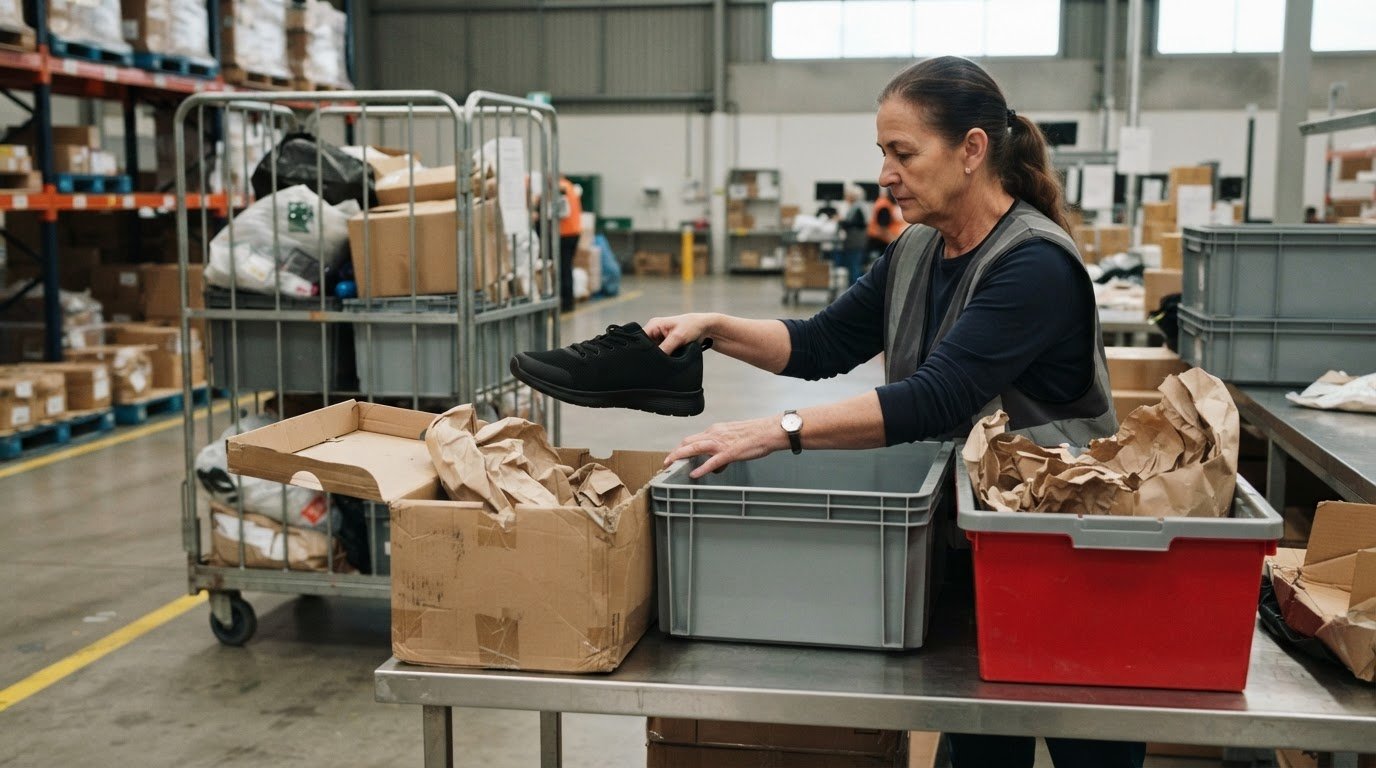
Returns affect customer service and warehouse operations, so define the workflow before orders go live. Ask who receives returned parcels, assesses their condition, records the outcome and updates inventory. A clear process separates resale-ready stock from damaged goods and gives your team consistent information when responding to customer claims.
- Set an issue-resolution path. Ask how operational problems are logged, assigned and escalated, and whether support representatives are available through chat or ticket submission. A defined process helps your team track claims and see who owns the next step.
- Define returns decisions. Agree how items are inspected and whether each outcome means restocking, holding or another agreed disposition. This prevents returned units from appearing as available inventory before assessment.
- Match services to your products. Ask about product specialisation and handling needs. If orders require kitting or customisation, clarify assembly instructions, quality checks and how completed kits are recorded.
- Clarify equipment and specialist needs. Explain any freight equipment or specialised handling your operations need, including requirements for international orders. Confirm how these needs fit the warehouse workflow and service-level agreement.
Useful questions to ask your new 3PL provider include how it plans for peak-season volume and communicates capacity changes. Agree how stockouts are reported, how returned items are assessed, and how damaged goods are documented and kept separate from sellable inventory.
Keep the service-level agreement specific. It should set estimated shipping and delivery timeframes, such as next-day or 2-day delivery. Further questions to ask your new 3PL provider should clarify customer-service availability, claim ownership, update channels and the information needed to resolve each issue.
A defined returns workflow can reduce manual follow-up and keep records aligned. Explore returns management services as part of a fulfilment setup with a clear process from parcel receipt to inventory update.

What is your on-time shipping performance?
Ask the 3PL to define on-time shipping and show how it measures performance. Confirm whether the clock starts when an order is picked, packed, dispatched or accepted by a carrier. These milestones separate warehouse processing from transit, helping you identify where delays occur. Request reporting that distinguishes late dispatches from late deliveries, rather than combining them into one result.
Make the target specific to your customers. Ask what percentage of orders will reach customers within two days or less, and how results vary by destination and shipping service. Around 12pm is an example of a typical daily order cut-off time. Find out how orders received after cut-off are handled, and whether weekends or public holidays affect processing expectations.
Your order volume also matters. Explain how demand changes during promotions or seasonal peaks, then ask how capacity and carrier allocation adapt. A small business may need a different service mix from a retailer shipping larger volumes. Discuss how the 3PL reviews performance as your orders grow, and what reporting helps identify a need to change the shipping setup.
Delivery speed and same-day order processing
Separate order processing from delivery time. Same-day processing means the warehouse prepares an order that day; it doesn’t mean the customer receives it that day. Ask whether the 3PL can ship orders within 24 hours at your current order volume. Then clarify when the clock starts, which orders qualify, and when the carrier collects parcels.
Map the steps that determine dispatch timing: an order moves from store integration to release, picking, packing and carrier handover. Ask how cut-off times, incomplete addresses, payment holds and stock discrepancies affect that flow. Also confirm the dispatch schedule for orders received before and after the applicable cut-off.
Test the proposed process against a realistic sales day. Share expected order patterns, product handling needs and promotion plans, then ask how the warehouse manages a sudden increase in orders. The answer should explain how work is prioritised, how exceptions are flagged and how you can see when orders are ready for carrier collection.
Delivery speed also depends on the service selected and the destination. Ask which home delivery options are available, how estimated delivery windows are set, and how shipment progress is reported. Compare the speed of each option with its cost and customer expectations. Clarify how delayed freight is escalated, who provides updates, and how a carrier issue affects performance reporting.
Returns need a clear path through the operation. Ask how returned parcels are received, assessed and recorded, and how this work is managed alongside outbound orders during busy periods. A defined workflow prevents returned stock from being treated as ready to fulfil before inspection and helps your team set accurate expectations for customers awaiting a refund or replacement.
For a practical discussion of delivery options and dispatch requirements, explore home delivery shipping options and how they fit your order profile.
Pik Pak Logistics
Pik Pak Logistics helps online stores manage fulfilment by storing inventory, picking and packing orders, arranging shipping and processing returns. Turn to Pik Pak when warehouse operations and returns are taking time away from running your business.
Pik Pak’s Pick, Pack, and Ship Services manage orders from stored inventory through dispatch, while its home delivery shipping options help get orders to customers. Returns Management (Reverse Logistics) handles the returns process, and Inventory Storage keeps products within the fulfilment operation.
Ready to simplify fulfilment? Contact Pik Pak Logistics to discuss your order, storage and returns needs.
Set your fulfilment priorities in motion
Before choosing a fulfilment arrangement, turn your findings into a short operating brief. Note what your customers value, where delays cause problems and which fulfilment tasks take up your team’s time. This gives your next conversation a practical focus instead of relying on broad service descriptions.
The questions to ask your new 3PL provider are most useful when they connect directly to your business priorities. Use them to define what a workable partnership looks like as your orders and customer expectations change. You don’t need every operational detail solved at once. Start with the pressure points that affect your customers and your team, then build a clear path forward.
If you’re ready to discuss fulfilment support for your online store, contact Pik Pak Logistics. Take the next step with a clearer view of what your operation needs, and keep your attention on growing the business.
Frequently Asked Questions
Can you tell me about the freight and parcel carriers that you work with?
Pik Pak uses integrated connections with Tier 1 freight carriers for shipping. Carrier names matter less than whether available services suit your parcels, delivery destinations and customer expectations. For example, check which option provides tracking and proof of delivery, and how delivery choices appear in your fulfilment workflow. This helps you match service features to the needs of each order.
What technologies do you use?
Pik Pak provides access to a web-based Warehouse Management System (WMS) for inventory and order status. Store connections use either the Simple – Pre-Built 3PL Warehousing Connector or the Advanced – Custom 3PL Warehousing API. For example, a store moving to a new platform can consider which integration path best suits its technical setup and order-data flow.
Is there a minimum monthly order volume?
Pik Pak’s pricing is pay-as-you-go and based on customer orders shipped. To assess whether outsourced fulfilment suits your business, outline your expected order pattern, product range and storage needs. Include how orders change during promotions, then discuss the work involved against that operating profile.
What reporting formats do you support?
Pik Pak’s web-based WMS provides live, real-time inventory and order-status information. Your team can use the platform to follow fulfilment activity: staff responding to customer enquiries can view current order status, while inventory planning can draw on available stock information. Identify which roles need access to which details when setting up your reporting routine.
What type of contract is required?
A written agreement should clarify the services covered, each party’s responsibilities, reporting expectations and how changes are handled. Document how new products or order processes are added, and how operational issues are communicated. A clear structure helps your team understand the relationship and manage fulfilment as business needs evolve.
How is your pricing structured?
Pik Pak’s pricing is transparent and pay-as-you-go, with fees based on customer orders shipped. The price depends on your fulfilment requirements and is provided after a quote request. Review the proposed scope against your expected order pattern and operational needs to understand how the arrangement fits your business.