According to a 2023 report by Australia Post, 82% of shoppers consider delivery speed and reliability the most critical factor in their online experience. It’s a high bar to clear when you’re also trying to protect your margins. We understand that effective freight management for online stores often feels like fighting a losing battle against manual data entry errors and unpredictable carrier delays. You’ve likely spent too many hours fixing shipping labels or explaining to a frustrated customer why their package is stuck in transit between Sydney and Perth.
It’s exhausting, but it doesn’t have to be your reality. This guide will show you how to master the complexities of eCommerce shipping, reduce your operational headaches, and discover how integrated freight management turns logistics into a competitive advantage. We’ll explore the specific steps to secure cheaper freight rates, implement automated labels, and gain real-time inventory visibility. By the end of this article, you’ll have a clear roadmap to automate the hard work so you can finally reclaim your time and focus on marketing and business growth.
Key Takeaways
- Transform your shipping from a logistical headache into a competitive advantage by mastering end-to-end oversight from warehouse to doorstep.
- Learn how to leverage a Transport Management System (TMS) as the “brain” of your operation to automate route selection and eliminate manual errors.
- Compare DIY and fully outsourced models to find the right freight management for online stores that handles the physical packing, not just the digital data.
- Identify hidden “freight leaks” in your current spend and implement a multi-carrier strategy to optimize delivery costs across Australia.
- Discover how to automate your fulfillment so your operations run like clockwork, allowing you to reclaim your time and focus on scaling your brand.
What is Freight Management for Online Stores in 2026?
Freight management for online stores is the total oversight of moving products from your warehouse shelf to your customer’s front door. It’s the nervous system of your business. If it fails, the whole operation goes numb. In 2026, this isn’t just about moving boxes; it’s about managing data and expectations. Customers now view real-time transparency and rapid delivery as a baseline requirement, not a premium perk.
Managing transit times across Australia presents unique challenges. Shipping between major hubs like Melbourne, Sydney, and Perth requires a strategic approach to bridge the vast distances of the continent. You need a system that handles these routes without the headache of manual tracking. Focus on your business and let a reliable partner handle the heavy lifting. What seems to be a challenge is an easy game with the right systems in place.
The Evolution of eCommerce Shipping in Australia
The Australian online retail market has surged past $63.6 billion, creating a massive demand for sophisticated freight solutions. Shoppers from Gen Z and Gen Y are particularly demanding; approximately 68% of these consumers will switch to a competitor if they encounter slow or unreliable delivery options. Logistics is the art of getting the right product to the right door at the right cost.
Core Components of an Effective Freight Strategy
Success in 2026 relies on three pillars. First, you need total inventory visibility. You must know exactly what is in stock before a customer clicks “buy” to avoid backorder frustrations. Second, smart carrier selection is vital. This involves matching every parcel size and destination to the most efficient courier for that specific route. This ensures you aren’t overpaying for slow service.
Finally, robust tracking and communication are non-negotiable. Modern Freight Technology allows you to keep customers informed at every milestone, from the initial pick to the final mile. This level of automation ensures your operations run like clockwork. By using a professional logistics service, you eliminate waste and free up your time to scale. Freight management for online stores is about making the complex feel simple for your customer while keeping your costs under control.
The Technology Behind Modern Freight Management
Logistics used to be a manual headache. Today, it’s a digital advantage. Effective freight management for online stores relies on two core pillars: the Warehouse Management System (WMS) and the Transport Management System (TMS). These aren’t just fancy acronyms; they’re the tools that ensure your customer gets the right box at the right time. When these systems work together, what seems like a complex challenge becomes an easy game.
WMS vs. TMS: Understanding the Digital Foundation
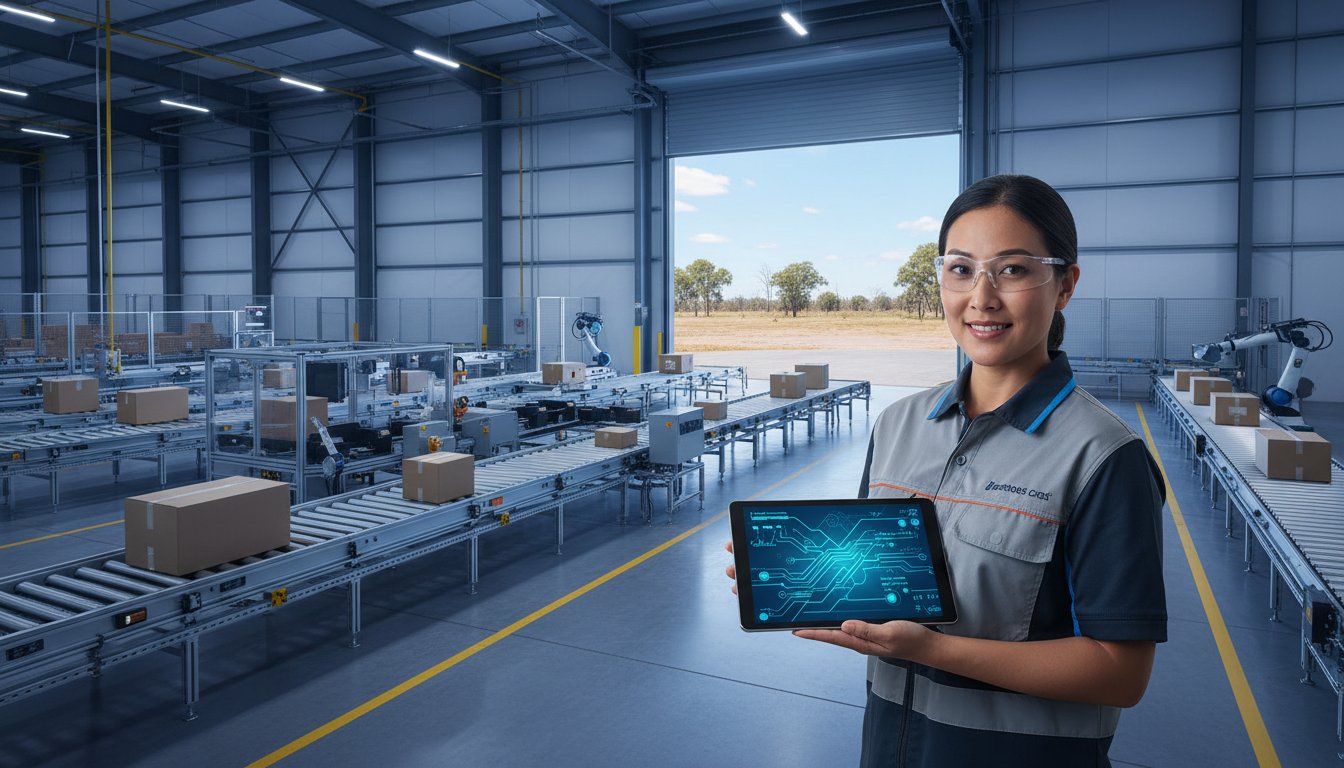
A WMS is your warehouse’s eyes and ears. It organizes the “pick” phase with surgical precision. By using barcode scanning and optimized walking paths, a robust WMS ensures 99.9% order accuracy during the packing process. Errors are expensive, so getting it right the first time is vital for your bottom line. Once the box is taped shut, the TMS takes over. Think of the TMS as the brain of the operation. It automatically compares carrier rates, chooses the best shipping route, and generates labels in seconds.
The U.S. Department of Transportation emphasizes that Freight Management and Operations technology is vital for maintaining flow in modern commerce. You don’t have to build these systems yourself. With Pik Pak’s technology support, you can simply “point, click, and connect” to a pre-built infrastructure. It’s a secure way to ensure your operations run like clockwork without the overhead of a dedicated IT department.
Real-Time Data: The End of “Where is My Order?”
Cloud-based systems offer 24/7 visibility into your stock levels. This prevents the nightmare of overselling, which can damage your brand’s reputation instantly. When your store connects via API to a fulfillment partner, data flows both ways. Whether you use Shopify, WooCommerce, or NetSuite, these integrations sync your inventory every time a sale happens.
This automation is the ultimate cure for “WISMO” (Where Is My Order) customer service tickets. Automated tracking updates keep your customers informed from the moment a label is printed until the package hits their doorstep. Industry data shows that proactive tracking can reduce support inquiries by up to 40%. It’s all about giving your customers peace of mind while you focus on your business and your next big product launch.
We aren’t all computer geeks, and you shouldn’t have to be one to scale your brand. Modern freight management for online stores is designed to be user-friendly. The right partner handles the heavy lifting of API coding and server maintenance. You simply log in, check your dashboard, and watch your orders move. It’s logistics made easy, letting you reclaim your time and eliminate waste.
Freight Management Models: Software-Only vs. Full 3PL
Choosing the right model for freight management for online stores determines how fast you can scale without burning out. Most e-commerce founders start with the DIY model, packing boxes in a garage or spare room. When volume hits 40 or 50 orders a day, the cracks appear. You might think the solution is a shiny piece of software, but data management is only half the battle. Physical fulfillment remains the biggest hurdle to growth.
There are three main paths you can take. DIY is affordable but limits your time. Software-enabled models provide better data but leave the physical labor on your plate. A fully outsourced 3PL model handles both the data and the heavy lifting. If you want to stop being a warehouse manager and start being a CEO, you need a partner that does more than just print labels.
The Limits of Shipping Software
Shipping software is a powerful tool, but it doesn’t have hands. It won’t sweep the warehouse floor or manage a team of casual workers during a Black Friday rush. You can have the most advanced Transport Management System (TMS) on the market and still find yourself stuck in a warehouse at 9 PM taping boxes. Software manages the information flow, but it doesn’t solve the “Headache Factor” of physical logistics.
Owning your own warehouse space comes with massive hidden costs. In 2024, industrial rents in major Australian hubs rose by over 15 percent, making small-scale leasing an expensive gamble. You also face the stress of hiring seasonal staff and paying for empty shelf space during quiet months. Instead of managing a complex lease, you can explore our integrated logistics services to see how technology and physical labor work together. We take the manual work off your hands so you can focus on your brand.
The 3PL Advantage: Integrated Freight and Fulfilment
A 3PL partner provides a seamless blend of warehousing and fulfilment. This model transforms your shipping from a fixed cost into a variable one. With “Pay as you go” pricing, you only pay for the shelf space you use and the orders we pack. This eliminates the financial risk of a private warehouse lease. By 2026, the ability to streamline e-commerce operations will be the difference between brands that thrive and those that stall.
- Bulk Buying Power: We aggregate shipping volume from hundreds of clients to secure rates up to 30 percent lower than what a small business can get alone.
- Operational Elasticity: Scale from 10 orders to 1,000 orders overnight without hiring a single person.
- Time Recovery: Outsourcing freight management for online stores typically saves founders 15 to 20 hours per week.
Pik Pak makes logistics run like clockwork. We handle the storage, the picking, and the carrier relationships. This frees up your time to focus on marketing and product development. What seems like a challenge is an easy game when you have the right partner doing the hard work for you.
Optimising Your Shipping: Costs, Carriers, and Returns
Effective freight management for online stores requires a clinical look at your data. Start by auditing your last 90 days of shipping invoices to identify “freight leaks.” These leaks often appear as unexpected fuel surcharges, residential delivery fees, or “dead weight” charges where you’re paying for air because of oversized packaging. Industry data from 2024 indicates that up to 10% of total shipping spend is often wasted on these avoidable surcharges. By identifying these patterns, you can adjust your packaging or renegotiate terms to plug the leaks immediately.
Australia is far too vast to rely on a single carrier for every postcode. A provider that excels in metropolitan Sydney may struggle with the transit times or costs associated with regional Western Australia. A smart multi-carrier strategy allows you to route orders to the most efficient provider based on the specific region. This redundancy doesn’t just save money; it protects your brand when one carrier experiences a network delay or strike.
Reducing Shipping Costs Without Sacrificing Speed
Logistics is a game of geography. Using “zone skipping” allows you to consolidate orders and move them in bulk closer to the final destination before they enter the local carrier network. A Melbourne-based warehouse is a strategic choice for many Australian brands. It provides a central hub for the 10 million residents across Victoria and South Australia, significantly reducing transit times. You can also lower costs through kitting and assembly. By combining multiple items into a single, custom-fit parcel, you reduce dimensional weight and avoid multiple individual shipping fees. Check out our options for customer delivery to see how these efficiencies work in practice.
Managing Returns: Turning a Problem into a Priority
An integrated system makes returns easy for both you and your customer. When a return is initiated, the software should automatically notify the warehouse and update your inventory levels. This automation helps get products back on the digital shelf faster, often within 24 hours of receipt. We lean on Pik Pak’s service priorities to ensure every return is handled with the same accuracy as an outbound order. This level of precision prevents stock from sitting in “limbo” and ensures your capital isn’t tied up in unsellable goods.
Ready to eliminate the headache of shipping and returns? Let Pik Pak handle your freight management for online stores so you can get back to growing your business.
Why Pik Pak is the Ultimate Freight Partner for Australian Stores
Scaling an e-commerce brand in 2026 requires a logistics engine that never stalls. Pik Pak delivers on a simple, powerful promise: Pick, Pack & Ship Made Easy. Operating from our high-tech Melbourne hub, we combine deep local expertise with a national reach that covers every state and territory. We act as the seasoned, tech-savvy problem solvers for your brand. Freight management for online stores shouldn’t be a source of anxiety. We’ve designed our services to be the calm expert in a chaotic field, ensuring your logistics run like clockwork every single day. What seems to be a challenge is an easy game with Pik Pak.
Effortless Integration and Scalability
We know you aren’t all computer geeks, and you shouldn’t have to be. Our “no software, no headache” approach means you can connect your store to our platform in minutes, not days. This point, click, and connect solution integrates seamlessly with major platforms, allowing for total automation. The real magic happens when you grow. Our “scale as you grow” model means your setup remains identical whether you’re shipping 10 orders or 10,000 during a Black Friday rush. You won’t need to rent more space or manage seasonal staff. To maintain these professional standards, we follow strict Warehouse Receiving Guidelines. This ensures your stock is accounted for and ready for dispatch the moment it hits our floor.
Reclaiming Your Time for Growth
Outsourcing your freight management for online stores is the ultimate strategy for business freedom. Every hour you spend taping boxes or chasing couriers is an hour lost on growth. Pik Pak removes that burden entirely. We’ve seen partners transform their operations, moving from daily warehouse struggles to a streamlined system that functions with zero oversight from the owner. This reliability allows you to focus on your business while we do the hard work. Logistics is a game of precision, and we’ve mastered the rules so you don’t have to. You deserve a partner that eliminates waste and prioritizes your schedule. Get a quote and free up your time today. Let’s make your shipping effortless.
Take Control of Your 2026 Shipping Strategy
Effective freight management for online stores isn’t just about moving boxes; it’s about building a scalable foundation for your brand. By 2026, the gap between stores with automated logistics and those using manual processes will widen significantly. Success depends on leveraging smart technology and choosing a partner that eliminates the complexity of 3PL logistics. When you streamline your returns and carrier selection, you protect your margins and your reputation.
Pik Pak provides the pragmatic tools you need to succeed without the usual industry stress. Our Melbourne-based secure warehousing ensures your stock is safe, while our 99.9% order accuracy rate keeps your customers coming back. We believe in total flexibility, which is why we offer pay-as-you-go pricing with no locked-in contracts. You get the benefits of a sophisticated warehouse management system without needing to be a tech expert. It’s time to stop managing spreadsheets and start hitting your growth targets.
Let Pik Pak handle your freight so you can focus on your business. Your brand deserves to run like clockwork, and we’re here to make that happen.
Frequently Asked Questions
What is the difference between freight management and shipping?
Shipping is the physical act of moving a parcel from one point to another, while freight management for online stores is the strategic oversight of your entire logistics chain. It involves carrier selection, route optimization, and cost control for bulk or palletised goods. While shipping handles individual orders, freight management ensures your 2026 supply chain stays efficient and scalable through data-driven decisions.
Can freight management software integrate with Shopify or WooCommerce?
Pik Pak’s system uses API technology to connect directly with Shopify, WooCommerce, and Magento in under 5 minutes. You don’t need to be a computer geek to set it up. Once connected, your orders sync automatically. This eliminates manual data entry and reduces human error rates by 99% compared to manual processing. It’s a point, click, and connect solution designed to automate your workflow.
How much does freight management for an online store cost?
Costs vary based on your specific volume and the carriers you select, but we operate on a transparent pay as you go model. According to the 2023 State of Logistics Report, logistics costs for Australian businesses typically represent 8.5% of total revenue. We help you manage these expenses by providing access to wholesale carrier rates. You only pay for the warehouse space and shipping services you actually use.
Does Pik Pak handle international shipping for Australian stores?
Pik Pak manages international shipping to over 220 countries and territories from our Australian hubs. We handle the complex customs documentation and international carrier selection for you. This allows you to reach global markets without the stress of navigating foreign trade regulations. We ensure your international parcels run like clockwork, so you can focus on growing your business globally.
What is reverse logistics and why do I need it?
Reverse logistics is the process of managing customer returns, exchanges, and refurbished goods back through the supply chain. A 2023 report from Australia Post found that 81% of shoppers check a return policy before buying. You need a robust system to process these items quickly, restock inventory, and issue refunds. It turns a potential headache into a smooth experience that builds long-term customer trust.
How can I reduce my eCommerce shipping costs in Australia?
You can reduce costs by consolidating shipments and using smart freight management for online stores to compare carrier rates in real time. Our platform automates the selection of the most cost-effective route for every parcel. By leveraging our bulk buying power with major Australian carriers, you access discounted rates usually reserved for high-volume enterprises. This strategy helps you eliminate waste in your shipping budget.
Do I need my own warehouse to use a freight management service?
You don’t need your own warehouse because Pik Pak provides the physical infrastructure and technology for you. We store your inventory in our secure facilities. This allows you to scale up or down without the overhead of a long-term commercial lease. This no software, no warehouse approach means you can run your entire operation from a laptop while we handle the heavy lifting.
How does freight management improve customer satisfaction?
Freight management improves satisfaction by ensuring faster delivery times and providing customers with 100% transparent tracking data. When your logistics run like clockwork, customers receive their orders on time and in perfect condition. Automated notifications keep buyers informed at every stage of the journey. This reliability reduces where is my order enquiries and encourages 45% of first-time buyers to become repeat customers.