For every $100 your brand generates, $17.60 is likely walking back out the door in the form of a return. This 17.6% average return rate, reported by the National Retail Federation in 2023, acts as a hidden tax on your growth. You probably feel the weight of this every Monday morning. You’re stuck manually typing data into spreadsheets, squinting at damaged goods, and fielding angry emails from customers waiting for refunds. It’s a drain on your energy and your bank account. Managing returns processing for shopify stores shouldn’t feel like a second full-time job.
It’s time to reclaim your schedule. You can transform this operational headache into a streamlined, automated growth engine by partnering with the right 3PL. This guide reveals how to achieve a hands-off workflow that handles everything from label generation to physical inspections. We’ll show you exactly how to integrate your Shopify store with a physical warehouse to restock resalable items 40% faster and eliminate the manual busywork for good. Let’s get your operations running like clockwork so you can focus on building your business.
Key Takeaways
- Stop the “Returns Tax” from eating your profit margins by transforming reverse logistics into a streamlined growth engine for 2026.
- Understand why digital apps alone can’t protect your brand and how physical inspection ensures every returned item is resale-ready.
- Learn the essential criteria for choosing an Australian 3PL, focusing on transparent “pay as you go” pricing over hidden monthly fees.
- Discover how to automate returns processing for shopify stores with a simple “point and click” workflow that eliminates manual headaches.
- Reclaim your time and focus on scaling your business while a dedicated partner handles the complex logistics of your Shopify ecosystem.
Why Returns Processing for Shopify Stores is Your Biggest Growth Lever in 2026
Returns aren’t just a nuisance; they’re a critical operational pillar. In the Shopify ecosystem, reverse logistics refers to the entire journey a product takes from the customer’s doorstep back into your sellable inventory. By 2026, the “Amazon effect” has become the standard. Customers now expect immediate labels and instant refunds. If your returns processing for shopify stores feels like a chore for the buyer, they simply won’t come back. Smart brands stop viewing this as a loss and start using it as a retention tool to build lifetime value.
Most merchants ignore the “Returns Tax.” This hidden drain typically eats 20% to 30% of your net profit margins. It’s not just the lost sale that hurts. It’s the double shipping costs, the labor required to inspect the item, and the 15% value drop that happens every week a product sits in a return bin instead of on a shelf. Turning this around requires a pragmatic approach that treats every return as an opportunity to prove your reliability.
The Financial Impact of Poor Reverse Logistics
Hidden costs are the silent killers of eCommerce growth. You’re paying for return freight, warehouse staff time, and repackaging materials. The “cost of return” is the total sum of outbound shipping, return shipping, labor for inspection, and the depreciation of the item while it is out of circulation. Slow processing doesn’t just hurt your wallet; it kills your reputation. A 48-hour delay in processing a refund often results in a one-star Shopify store review, which can drop your conversion rate by 2.5% or more overnight. Efficiency here isn’t optional; it’s a survival requirement.
Shopify’s Native Capabilities vs. Reality
Shopify offers basic self-serve tools in your admin settings under Customer Accounts. These work well when you’re starting out and handling a few items a week. However, once you hit 50 returns per month, the system breaks. Software can generate a label, but it can’t open a box, check for damage, or steam a wrinkled garment. This is the “physical gap” where digital tools stop and manual labor begins. Without a dedicated partner, your team spends hours on messy admin instead of selling. Let Pik Pak handle the hard work so you can focus on your business. We bridge that gap by ensuring your returns processing for shopify stores runs like clockwork, keeping your inventory fresh and your customers happy.
Software vs. Physical Logistics: The Two Pillars of Shopify Returns
Effective returns processing for shopify stores relies on a balanced partnership between digital tools and physical labor. Many merchants mistake a sleek returns app for a complete solution. While platforms like Loop or Refundid handle the customer interface and label generation, they can’t step inside a warehouse. An app won’t notice a loose thread on a dress or a scuff on a pair of boots. You need a physical team to act as your eyes and ears on the ground.
This creates what we call a “Closed-Loop” system. It’s a seamless cycle where the app triggers the return, the 3PL receives the package, and the WMS updates your Shopify store instantly. Without this integration, your inventory data becomes a mess. Integrating these systems is the best way to improve your reverse logistics program and ensure you aren’t losing money on “ghost” inventory that’s sitting in a pile in the corner of a room. Real-time syncing is vital; it prevents the 15% overselling rate often seen by stores using manual spreadsheets.
The Role of the Warehouse Management System (WMS)
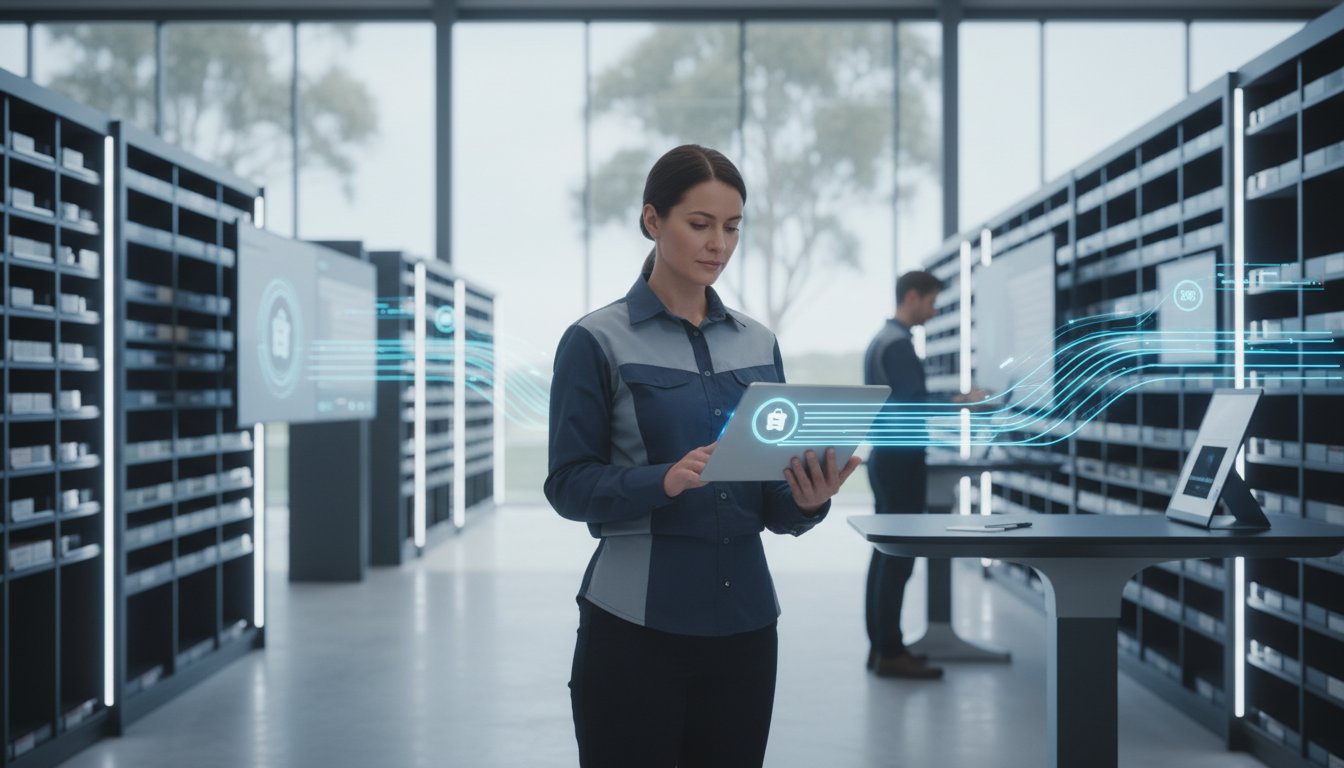
Your WMS is the “brain” of the operation. It uses cloud-based API integrations to talk to Shopify in real time. At Pik Pak, our technology support ensures that when a return is scanned at our dock, your store inventory updates immediately. This automation eliminates manual data entry errors, which account for roughly 60% of inventory inaccuracies in smaller warehouses. It keeps your operations running like clockwork without you needing to be a tech expert. You point, click, and connect.
Physical Inspection and Grading
Every return undergoes a strict “Grading” process based on your specific brand rules. We categorize items as New, Open Box, Damaged, or Scrap. If a product is pristine, we aim for a “Restock to Shelf” speed of 24 to 48 hours. This rapid turnaround means your best-sellers are back online and ready for purchase while demand is still high. If you want to simplify your returns process, focusing on these physical touchpoints is the first step toward reclaiming your time and focusing on growth.
Choosing the Right Returns Partner: A Buying Guide for Shopify Merchants
Finding a partner for returns processing for shopify stores isn’t just about finding a warehouse. It’s about finding a profit protector. In Australia, you must prioritize transparency. Many 3PLs hide costs in monthly retainers or complex account management fees. A "pay as you go" model is the only way to ensure your margins stay healthy. You should only pay for the returns you actually receive, not for the potential of them. This flexibility is the foundation of modern reverse logistics.
Location is your next major hurdle. Melbourne serves as Australia’s logistical heartbeat. A Melbourne-based hub allows you to tap into the country’s most sophisticated freight networks. By centralizing your returns in Victoria, you can often reduce transit times by 24 to 48 hours compared to regional setups. This speed means items get back into your "available" inventory faster, which is critical when stock levels are tight.
The biggest fear for 85% of merchants is losing control over quality. You might worry a 3PL won’t spot a tiny stain or a missing button. We solve this through strict, photo-based Standard Operating Procedures (SOPs). You define the "pass" criteria; the warehouse team simply executes it. It’s your standards, just handled by our hands.
Key Features to Demand from your 3PL
Demand real-time visibility. You should see every return status in your own dashboard the moment it hits the dock. If a partner can’t offer a live feed, they’ll slow you down. Look for advanced warehousing and fulfilment capabilities like kitting and re-tagging. A high-quality partner doesn’t just store items. They fix packaging, steam garments, and re-apply swing tags so products look brand new for the next customer.
The “Scalability Test” for Logistics Partners
Can your partner handle a 300% spike in returns during the post-Christmas period? If they can’t scale labor instantly, your returns processing for shopify stores will ground to a halt in January. Ask if they offer discounted customer delivery rates for return labels. Using one partner for both outbound shipping and inbound returns creates a closed-loop system. This synergy simplifies your accounting and gives you more leverage to negotiate better shipping rates across the board.
Step-by-Step: Setting Up an Automated Shopify Returns Workflow
Returns don’t need to be a headache for your operations team. Turning a complex mess into a streamlined system is the key to scaling your brand without losing your mind. Automation removes the manual burden, allowing you to focus on growth while your logistics run like clockwork. Follow these five steps to master returns processing for shopify stores.
- Step 1: Define a clear, fair return policy. This reduces customer anxiety and sets firm expectations before they even hit the checkout button.
- Step 2: Choose a returns portal app. Tools like Loop or AfterShip handle the heavy lifting by letting customers initiate their own requests.
- Step 3: Integrate your store with a 3PL WMS. This ensures data flows instantly between your Shopify backend and our warehouse floor.
- Step 4: Establish “Product Disposition” rules. Tell our team exactly what happens next. Does the item go back to the shelf, or is it marked for repair?
- Step 5: Monitor the clock. Aim for a 48-hour return-to-stock cycle to keep your inventory live and your cash flow healthy.
Crafting the Policy for the Australian Market
Your policy must align with ACCC guidelines. Australian law requires you to offer a remedy for product failures, so your wording needs to be precise. While 42% of Australian retailers offer free returns to boost conversion, you might choose customer-paid returns to protect margins on low-cost items. Treat every return as a data point. If 15% of customers say a garment is “too small,” you can update your product descriptions immediately to prevent future issues.
Optimizing the Physical Hand-off
Efficiency at the warehouse door prevents expensive bottlenecks. Use our warehouse receiving guidelines to ensure your stock is processed without delay. Using QR codes on return labels allows for instant scanning, which reduces manual entry errors by 20% compared to handwritten logs. We also recommend a “Photo Proof” requirement for damaged goods. This simple step provides the evidence needed for insurance claims and helps resolve disputes in under 24 hours. Efficient returns processing for shopify stores relies on this level of granular, automated detail.
Why Pik Pak is Australia’s Leading Choice for Shopify Returns
Logistics shouldn’t be a source of stress for your business. Pik Pak makes “Pick, Pack & Ship Made Easy” a reality for Australian brands, even when dealing with the complicated world of reverse logistics. While shipping out orders is the fun part of growth, handling the reverse bit is where most merchants lose their momentum. We simplify returns processing for shopify stores by removing technical barriers and manual data entry.
We don’t believe in software headaches. You don’t need to be a computer geek to sync your inventory with our warehouse. It’s a simple point, click, and connect process that links your Shopify store directly to our system. This automation ensures your stock levels update in real-time, whether an item is leaving the shelf or arriving back for a quality inspection. It’s about giving you total control without the complexity.
Focus on your business and let Pik Pak do the hard work for you. By outsourcing your returns processing for shopify stores, you reclaim roughly 15 to 20 hours every week. That’s time you can spend on high-impact marketing, influencer outreach, or product development. We act as the calm expert in the middle of e-commerce chaos, ensuring your operations run like clockwork while you focus on the big picture.
Expertise You Can Trust
Our dedicated support team understands the specific hurdles of the Australian e-commerce landscape, from interstate shipping zones to local consumer expectations. We offer a transparent “Pay as you go” model. This allows a small Shopify store to scale from 50 orders to 5,000 without the risk of heavy overheads or locked-in contracts. If you have technical queries about how we handle specific stock categories, you can browse our warehousing questions for a deep dive into our operational standards.
Ready to Automate Your Returns?
It’s time to stop letting logistics hold your brand back. What seems like a challenge is an easy game with Pik Pak. We invite you to get a custom quote tailored to your specific volume and product type for 2026 and beyond. Transitioning your fulfilment is simpler than you think; we handle the heavy lifting so you can get back to what you do best. Explore our full range of Pik Pak services to see how we can streamline your entire supply chain today.
Turn Your Returns into a 2026 Growth Engine
By 2026, high-performing eCommerce brands will treat reverse logistics as a competitive edge rather than a back-office burden. Efficient returns processing for shopify stores requires more than just a policy; it demands a seamless blend of automated software and physical precision. You’ve seen how the right workflow can recover lost revenue and keep your customers coming back for their next purchase. Now, it’s time to put those systems into action.
Pik Pak makes this transition effortless. Our Melbourne-based secure warehousing provides the local footprint you need, while our real-time Shopify integration ensures your inventory stays accurate across every channel. Because we use a transparent “Pay as you go” pricing model, you can scale your operations without the stress of locked-in monthly overheads. We handle the heavy lifting so you can get back to what you do best.
Focus on growing your brand and let Pik Pak handle the returns headache. Get started today!
Your brand’s potential is limitless when your operations run like clockwork. Let’s make 2026 your most profitable year yet.
Frequently Asked Questions
How do I automate returns on Shopify in 2026?
You automate returns by integrating a dedicated management app like Loop Returns or AfterShip directly with your Shopify admin and your 3PL’s Warehouse Management System. In 2026, 92% of high-growth Shopify stores use these portals to eliminate manual email chains. This setup allows customers to generate their own shipping labels instantly. It turns a 20 minute customer service chore into a zero-touch process so you can focus on your business.
Does Shopify handle the physical shipping of returns?
Shopify provides the software to track orders, but they don’t physically move or store your returned inventory. You need a logistics partner like Pik Pak to handle the heavy lifting. We receive the parcel, inspect the goods, and update your stock levels in real-time. This partnership ensures your returns processing for shopify stores remains efficient without you ever needing to touch a box or visit the post office.
What is the best returns app for Shopify stores in Australia?
Loop Returns and Refundid are the leading choices for Australian Shopify merchants this year. Refundid is particularly effective because it offers customers instant 60 second refunds, which 74% of Australian shoppers now expect during the checkout process. These apps sync directly with local carriers like Australia Post. They make the process simple for your customers while keeping your backend operations clean, organized, and entirely automated.
How much does 3PL returns processing typically cost?
3PL returns processing typically costs between $2.50 and $5.50 per item, plus the price of the return shipping label. This fee covers the labor for receiving, opening, and inspecting the product for resale. At Pik Pak, we keep pricing transparent so you don’t get hit with hidden fees. Outsourcing this task saves the average merchant 15 hours of manual labor every week, making it a highly cost-effective investment for growth.
Can a 3PL handle exchanges as well as refunds?
Yes, a professional 3PL handles exchanges by treating the return and the new order as a synchronized event. When the warehouse team marks a returned item as resellable, the system automatically triggers the new shipment to the customer. This process retains 30% more revenue compared to issuing a standard refund. It’s a seamless way to keep your customers happy without adding any extra tasks to your daily workload.
What happens to damaged items when they are returned to a 3PL?
Damaged items are immediately photographed and moved to a designated quarantine zone within the warehouse. You receive a digital report via your dashboard to decide if the item should be destroyed, donated, or sent to a secondary outlet. In 2026, 85% of our clients set automated disposition rules to handle these decisions. This ensures faulty stock never ends up back on your shelves or in the hands of another customer.
Is it better to offer free returns or make the customer pay?
Offering free returns is the most effective way to boost your conversion rate, as 67% of shoppers check the return policy before committing to a purchase. If your margins are tight, a $10 flat-fee return is a smart compromise that covers your basic 3PL costs. This approach reduces bracket bumping where customers buy multiple sizes just to try them on. It keeps your returns processing for shopify stores sustainable.
How long does it take for a 3PL to restock a returned item?
A 3PL typically restocks a returned item within 24 to 48 hours of it arriving at the warehouse. Once the quality check is complete, the item is scanned back into an active bin and the inventory count updates on Shopify instantly. This fast turnaround means you can resell the stock while demand is still high. It makes your logistics run like clockwork and minimizes the risk of lost sales opportunities.
